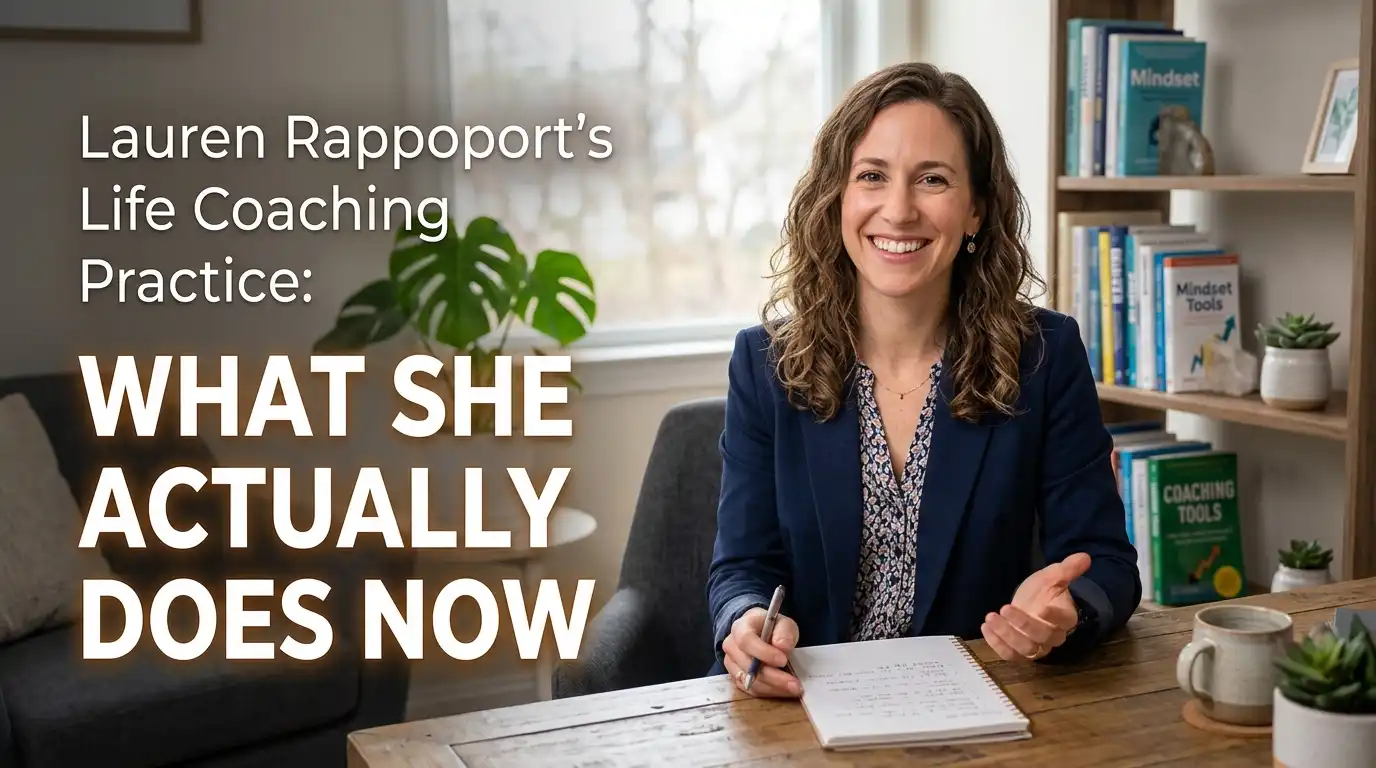
Lauren Rappoport’s Life Coaching Practice: What She Actually Does Now
A person can completely change direction in their career without disappearing from the public conversation. Many professionals move away from earlier roles and build new paths focused on helping others grow, make decisions, and create more balanced lives. That curiosity is why people search for Lauren Rappoport and want to understand what she does today.
Lauren Rappoport is associated with life coaching, a field focused on personal development, goal setting, mindset improvement, and helping clients create meaningful changes in their lives. Unlike traditional consulting, life coaching is usually centered on asking better questions, building awareness, and supporting people as they identify their own solutions.
Understanding her current work requires looking beyond job titles and focusing on the purpose behind coaching practices. Life coaches often help individuals improve confidence, clarify goals, manage transitions, and develop healthier habits.
This guide explains Lauren Rappoport’s coaching practice, the type of work involved, how life coaching works, and what makes this approach valuable for people seeking personal growth.
Who Is Lauren Rappoport?
Lauren Rappoport is known as a life coach who focuses on personal growth, self-awareness, and helping individuals create positive changes in different areas of life.
Unlike celebrities or public figures whose careers are widely documented, information about her personal background and private life is relatively limited. Her professional identity is mainly connected with coaching and supporting clients through personal development processes.
Life coaching has become a popular profession because many people seek guidance during periods of change. These changes may include:
- Career transitions
- Personal challenges
- Relationship decisions
- Confidence issues
- Lifestyle improvements
A coach’s role is not to make decisions for clients. Instead, the focus is usually on helping people understand their own goals and develop practical steps toward achieving them.
Lauren’s work represents this broader coaching approach, where the relationship between coach and client becomes a space for reflection, planning, and personal accountability.
What Does a Life Coach Actually Do?
A common misunderstanding is that life coaches simply give advice. In reality, professional coaching often works differently.
A life coach typically helps clients explore questions such as:
- What do you want to achieve?
- What obstacles are stopping progress?
- What habits need to change?
- What strengths can you use?
The coach provides structure and support while encouraging clients to find answers that fit their own circumstances.
The process often includes several stages.
Understanding Current Challenges
The first step is usually identifying where a person currently feels stuck.
Someone may know they want to change but may not know exactly what needs to happen next.
A coach helps organize thoughts and identify important areas of focus.
Creating Clear Goals
Many people struggle because their goals are unclear.
For example, saying:
“I want a better life”
is difficult to act on.
A coach may help transform that idea into something more specific:
- Building confidence at work
- Developing healthier routines
- Starting a new career direction
Clear goals make progress easier to measure.
Building Accountability
One major benefit of coaching is accountability.
People often understand what they need to do but struggle with consistency.
Regular coaching conversations can help clients stay focused and recognize progress.
Lauren Rappoport’s Coaching Approach
The work associated with Miss Lauren reflects a common style of modern life coaching that focuses on personal awareness and meaningful improvement.
Rather than providing one-size-fits-all solutions, coaching generally adapts to each person’s situation.
Different clients may have completely different goals.
For example:
A professional may want help managing career uncertainty.
A parent may want a better work-life balance.
An entrepreneur may want more confidence in making business decisions.
The coaching process changes depending on the individual.
Key Areas a Life Coaching Practice May Cover
Personal Development
Personal development is one of the most common areas within coaching.
This can include:
- Improving self-confidence
- Understanding personal values
- Developing better habits
- Creating stronger routines
Many people know they want improvement but struggle to identify where to begin.
Coaching provides a structured environment where individuals can examine their choices and priorities.
Career Growth
Career-related coaching helps people think about professional goals.
Common topics include:
- Finding direction
- Improving leadership skills
- Preparing for changes
- Building workplace confidence
A coach does not replace career advisors or recruiters, but they can help individuals understand what they want from their professional lives.
Mindset Development
Mindset plays an important role in personal progress.
Many people face barriers created by:
- Fear of failure
- Self-doubt
- Negative thinking patterns
Coaching often focuses on recognizing these patterns and creating healthier ways of approaching challenges.
How Lauren Rappoport’s Life Coaching Practice Works
A life coaching practice is built around conversation, reflection, and action planning. The purpose is not to tell people exactly what choices they should make but to help them understand their own priorities and create realistic steps forward.
The approach connected with L. Rappoport follows the general principles used by many modern coaches: helping clients recognize patterns, define goals, and make intentional changes.
A typical coaching process may include several important stages.
Initial Discovery and Goal Setting
The first stage usually involves understanding the client’s current situation.
A coach may ask questions about:
- Personal goals
- Current challenges
- Areas of dissatisfaction
- Desired changes
This stage helps identify what the client actually wants instead of focusing only on surface-level problems.
For example, someone might say they want a new job. After deeper discussion, they may realize the real issue is a lack of confidence, unclear values, or a desire for more meaningful work.
The goal-setting process helps create direction before taking action.
Creating Action Plans
After goals become clearer, coaching often moves toward practical steps.
A plan may involve:
- Setting smaller milestones
- Creating new routines
- Tracking progress
- Reviewing obstacles
Breaking large goals into manageable actions makes change feel more achievable.
Someone trying to improve their professional life may not immediately change careers. Instead, they may begin by updating skills, exploring options, or improving networking habits.
Reflection and Accountability
Accountability is one of the biggest reasons people work with coaches.
Many individuals already know some actions they should take but struggle to follow through.
Regular conversations create a system where clients review:
- What worked
- What did not work
- What needs adjustment
This process encourages consistency and helps people stay focused.
Benefits of Working With a Life Coach
Life coaching has become popular because many people want support while making important decisions.
The value of coaching often comes from having a structured space to think clearly.
Improved Self-Awareness
One major benefit is gaining a better understanding of personal motivations.
People often move through daily routines without questioning whether their choices match their goals.
Coaching encourages deeper reflection.
Clients may discover:
- Personal strengths
- Limiting beliefs
- Important values
- Areas needing improvement
This awareness can help people make better decisions.
Greater Confidence
Many people struggle with confidence when facing uncertainty.
A coach can help individuals recognize previous achievements and develop a stronger understanding of their abilities.
Confidence does not mean believing everything will be easy.
Instead, it means trusting that challenges can be handled.
Better Decision-Making
Life decisions often become difficult because people have too many options or unclear priorities.
A coaching conversation can help organize thoughts.
For example:
Someone considering a career change may need to balance:
- Financial needs
- Personal interests
- Long-term goals
A coach helps create clarity around these factors.
Real-World Examples of Life Coaching Applications
Example 1: Career Transition
Imagine a professional who feels stuck after several years in the same position.
They may not know whether to seek promotion, change industries, or start a new project.
A coach can help them examine:
- What they enjoy
- What skills do they have
- What future do they want
The outcome is not a decision made by the coach but a clearer understanding from the individual.
Example 2: Building Personal Confidence
Someone may avoid opportunities because they fear failure.
Through coaching conversations, they may identify negative beliefs affecting their choices.
The process can help them create small challenges that gradually build confidence.
Example 3: Creating Better Life Balance
A person managing work, family, and personal goals may feel overwhelmed.
Coaching can help them evaluate priorities and create systems for managing responsibilities.
The focus is often on intentional choices rather than simply adding more tasks.
Why People Search for Lauren Rappoport
Interest in Lauren Rappoport comes from curiosity about her professional role and the type of support she provides through coaching.
People are increasingly interested in professionals who focus on personal growth because many individuals want guidance beyond traditional education or career advice.
Life coaching attracts attention because it addresses everyday challenges such as:
- Finding direction
- Improving motivation
- Creating meaningful goals
- Managing transitions
The popularity of coaching also reflects a wider interest in personal development.
Many people are not only looking for external success but also asking questions about purpose, satisfaction, and balance.
Common Misconceptions About Life Coaching
Misconception 1: Life Coaches Tell People What To Do
One of the biggest misunderstandings is that coaches make decisions for clients.
Professional coaching usually works differently.
A coach helps clients explore possibilities and discover their own answers.
The client remains responsible for decisions and actions.
Misconception 2: Coaching Is Only For People With Problems
Some people think coaching is only necessary during difficult times.
However, many successful individuals use coaching for growth and improvement.
People may seek coaching when they want:
- Better performance
- Clearer goals
- Personal development
Misconception 3: Coaching Produces Instant Results
Personal change usually requires time and effort.
A single conversation rarely transforms someone’s life completely.
Progress often comes from:
- Consistent action
- Reflection
- Adjusting habits
Life Coaching vs Therapy vs Consulting
| Service | Main Purpose | Focus |
| Life Coaching | Personal growth and goals | Future improvement |
| Therapy | Mental health support | Emotional healing and psychological concerns |
| Consulting | Expert advice | Providing solutions in a specific field |
Although these fields can overlap, they serve different purposes.
Life coaching generally focuses on helping people move forward by creating goals and taking action.
Therapy is usually focused on emotional and mental health treatment.
Consulting involves an expert providing specialized knowledge or recommendations.
The Growing Role of Personal Development Professionals
The popularity of coaching reflects a major change in how people approach improvement.
Many individuals now recognize that achieving goals requires more than information.
They also need:
- Accountability
- Support
- Reflection
- Planning
Professionals in this field help create structured conversations where people can examine their choices and build strategies for change.
The work associated with Lauren Rappoport fits into this broader movement of personal development professionals helping individuals create more intentional lives.
Frequently Asked Questions About Lauren Rappoport’s Life Coaching Practice
1. Who is Lauren Rappoport?
Lauren Rappoport is known for her work in life coaching and personal development. Her professional focus is connected with helping individuals reflect on their goals, improve self-awareness, and create positive changes through structured coaching conversations.
2. What does Lauren Rappoport do now?
She works in the life coaching space, supporting individuals who want guidance with personal growth, goal setting, mindset development, and life transitions. Her work focuses on helping clients gain clarity and take meaningful steps toward their goals.
3. What is the purpose of life coaching?
Life coaching helps people identify goals, understand challenges, and create action plans for personal improvement. Coaches typically provide support, accountability, and questions that encourage clients to think differently about their choices and future direction.
4. How is life coaching different from therapy?
Life coaching generally focuses on personal growth, future goals, and creating changes in everyday life. Therapy usually focuses on mental health concerns, emotional healing, and psychological treatment. Both can support individuals but serve different purposes.
5. Who can benefit from life coaching?
Life coaching can help people experiencing career changes, personal transitions, confidence challenges, or difficulty reaching goals. It is also used by individuals who simply want better structure, accountability, and clarity while working toward personal improvement.
6. Does a life coach make decisions for clients?
No. A life coach does not normally make decisions on behalf of clients. Instead, the coach helps people explore options, understand their priorities, and develop their own solutions based on their personal situations.
7. Why do people search for Lauren Rappoport?
People search for Lauren Rappoport because they want to learn more about her coaching work, professional background, and the type of guidance she provides. Interest often comes from curiosity about how life coaching can help people improve different areas of their lives.
Conclusion
The interest surrounding Lauren Rappoport reflects a growing curiosity about professionals who support personal development and meaningful change. While many details about her private background may not be publicly available, her association with life coaching highlights the value of guidance, accountability, and intentional decision-making.